
Opens the official Clash of Clans layout link. Check the preview before replacing your current village.
Base Layout Analysis
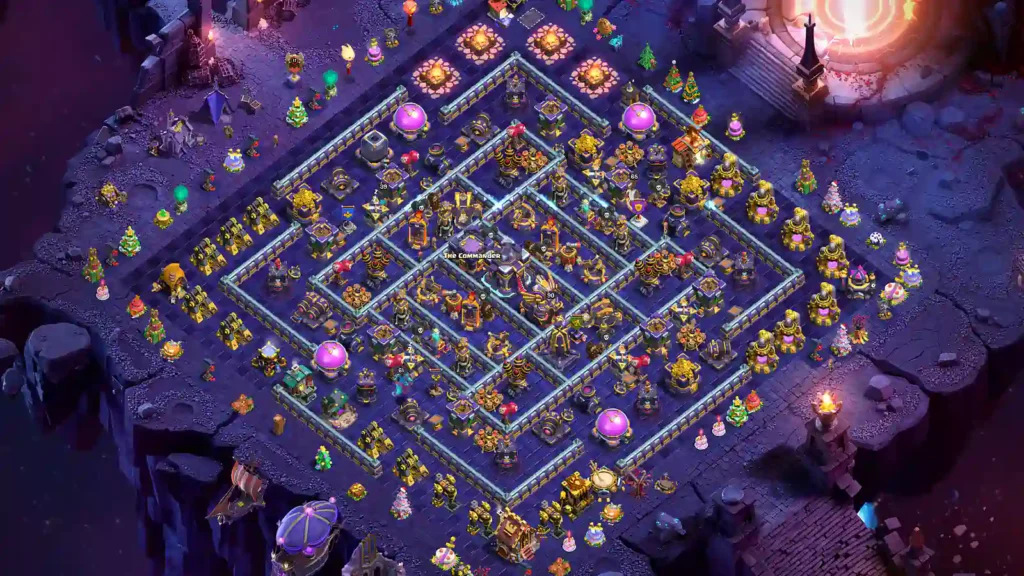
TH15 War Base – Central Core with Layered Defensive Compartments is built around central town hall structure and a compartment layout that keeps important defensive value separated. The design reads as a war-focused layout rather than a farming setup: Town Hall access, compartment depth and the relationship between the first entry and the remaining backend are the main structural features.
Town Hall / Core:
The Town Hall is held inside the central defensive area with multiple surrounding compartments adding access depth from the outer edge. This placement gives the Town Hall its own access problem instead of making it automatically available from every side. The surrounding structure also keeps other important sections relevant, so the base is not reduced to one single objective.
Defensive Structure:
The defensive structure is concentrated around the middle without collapsing into one open core. Important defenses are distributed through adjacent cells so the center retains support from more than one direction. The layout therefore asks an attacker to choose which value to engage first. That separation is useful in a war base because an early commitment can still leave meaningful defenses active elsewhere, especially when the first entry is not aligned with the deeper route.
Wall / Compartment Detail:
Repeated wall sections create several compact defensive cells around the Town Hall. The structure is layered, with outer compartments feeding into a tighter inner network instead of offering one large open approach. The visible wall connections support the terminology used here; no geometric label is being forced from the isometric camera angle. Compartment boundaries remain the main structural feature, and their different depths make the base less straightforward than a single open interior.
Pathing and Entry:
Reaching the central objective requires opening or crossing more than one compartment from most directions. The repeated cells can alter troop routing at each layer, so a clean funnel is more important than simply choosing the shortest visual line toward the center. This does not guarantee a specific defensive result, but it does create a genuine routing consideration. The attacker has to manage both the initial entry and the transition into the next compartment instead of relying on one uninterrupted line through the base.
Perimeter Detail:
Collectors, utility buildings and several defenses sit outside the principal wall network with moderate spacing. The perimeter does not create a single obvious entry lane, leaving the inner compartment structure to determine the deeper route. Cleanup buildings and outer structures are distributed rather than concentrated in one corner. That gives the layout a broad first-contact area and lets the internal compartments retain their own defensive identity after the perimeter is cleared.
Priorities:
1. Anti-2-Star
2. Town Hall protection
Before You Copy This Base
- Match the Town Hall: confirm the layout is for your current Town Hall before opening the copy link.
- Inspect the structure: use the placement notes above to check the Town Hall, resource compartments and wall network that matter for your goal.
- Review your defenses: after copying, compare your own defense levels and watch replays so you can adjust traps or exposed buildings for the attacks you actually face.
Related TH15 War Bases
Browse all TH15 bases →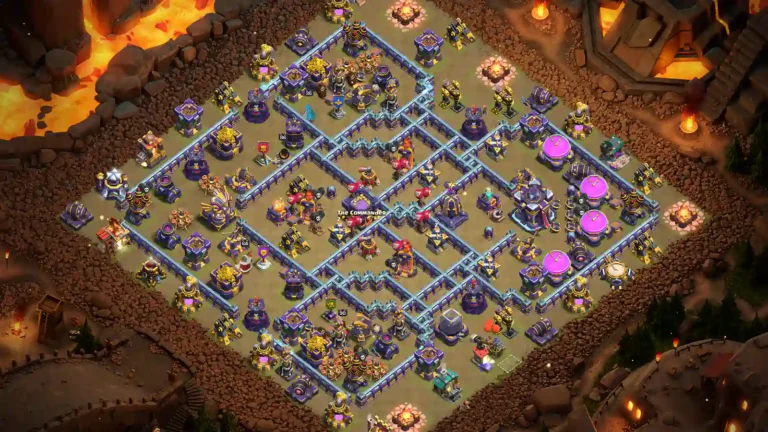 TH15 · WarTH15 War Base – Side Town Hall with Split Core and Open LanesView Insight
 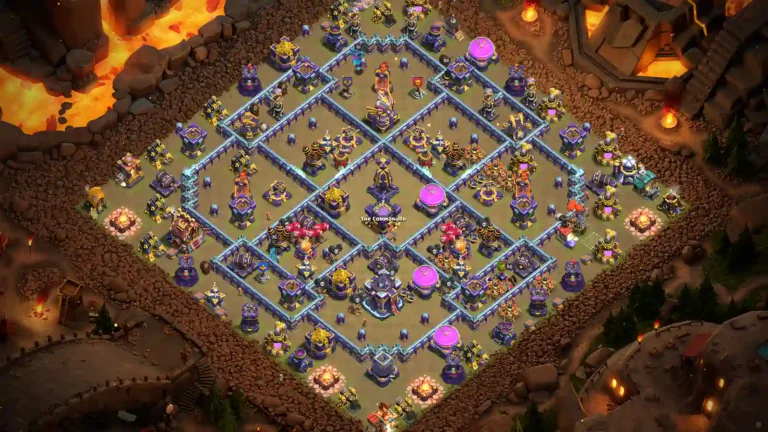 TH15 · WarTH15 War Base – Deep Town Hall with Symmetrical Box CompartmentsView Insight
 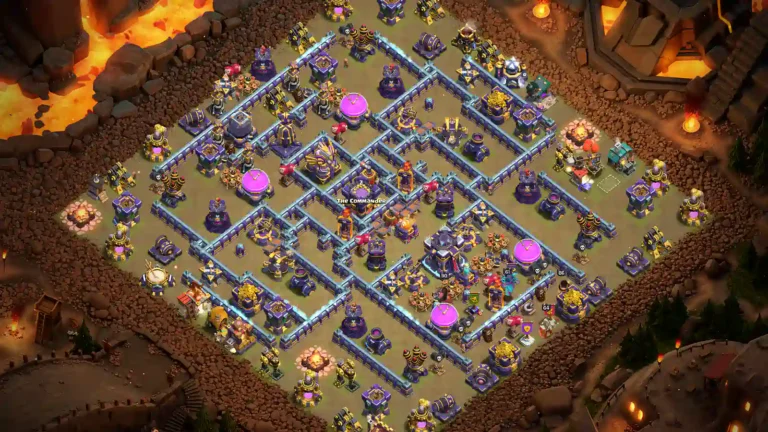 TH15 · WarTH15 War Base – Offset Town Hall with Split-Value CompartmentsView Insight
 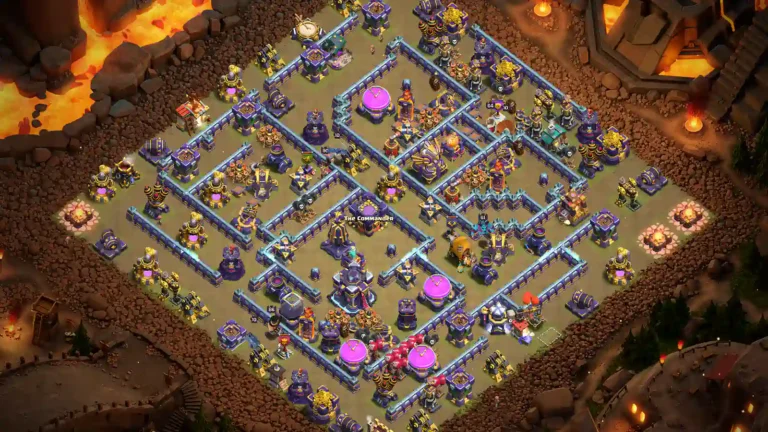 TH15 · WarTH15 War Base – Deep Town Hall with Staggered CompartmentsView Insight
 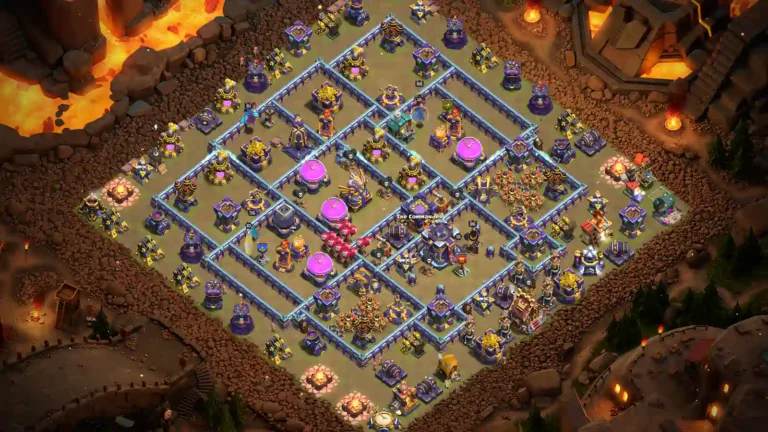 TH15 · WarTH15 War Base – Offset Town Hall with Wide Box CompartmentsView Insight
 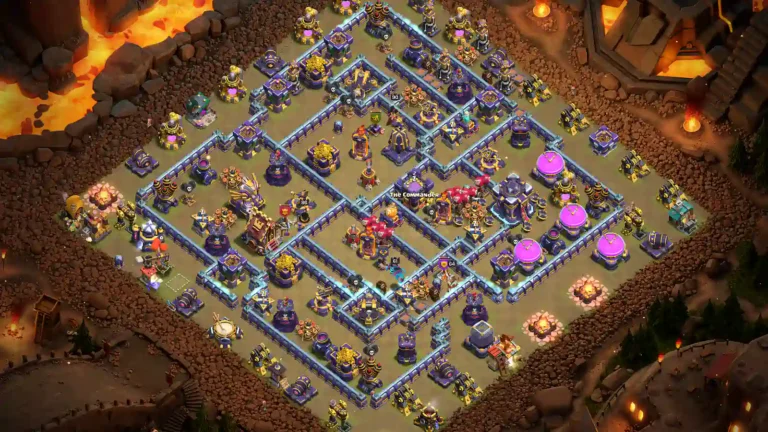 TH15 · WarTH15 War Base – Side Town Hall with Split Defensive CompartmentsView Insight